

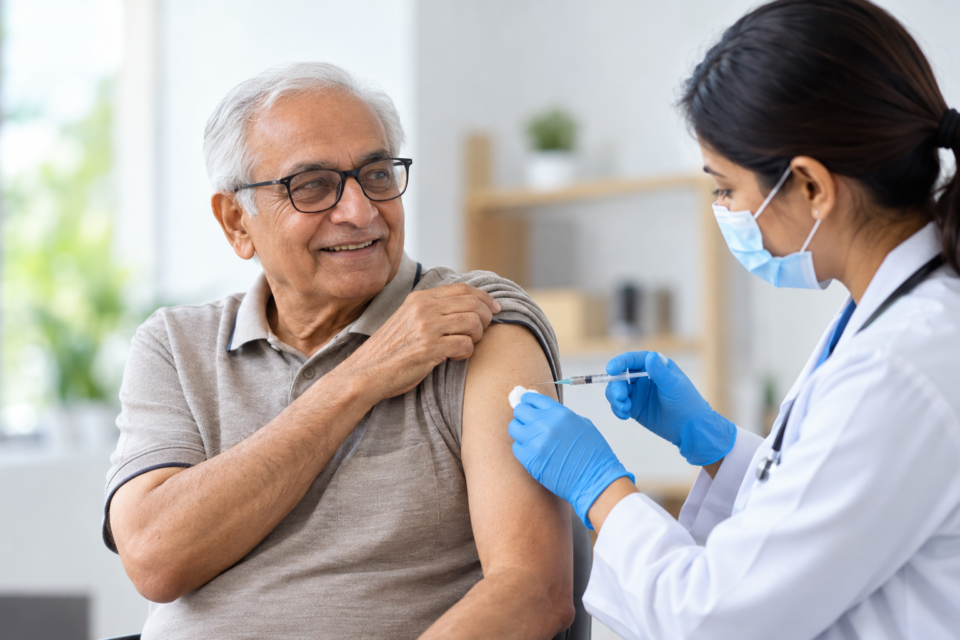
As a person ages, several physical transformations occur, and the same applies to the body’s immune system. Even though most households pay attention to vaccine charts for kids, the elderly tend to miss out on vital vaccinations. Elderly vaccination is vital as it reduces the risk of acquiring infections for individuals with pre-existing conditions.
Dr. Varsha Gupta, a newspaper health awareness article, sheds light on why senior citizens need to keep track of their vaccinations. As one gets older, diseases that could have had minimal effects begin to pose a challenge.
Why Do Older Adults Need Regular Vaccinations?
Nevertheless, the efficiency of the immune system declines automatically as a result of aging. Thus, older people will face troubles in safeguarding themselves against any diseases.
The second case relates to individuals who have other diseases like diabetes, heart disease, lung disease and kidney disease; complications may arise for that person. Even the smallest respiratory issue will land the person in the hospital.
Vaccines help the immune system recognise harmful infections and prepare the body to fight them. Although vaccines cannot prevent every illness, they can lower the risk of serious infections and complications.
Therefore, doctors encourage older adults to review their vaccination history during regular health check-ups. This helps them understand which vaccines they may need to stay protected as they age.
Important Vaccines Recommended for Senior Citizens.
1. Flu Shot
Other than the illness itself with its classic symptoms of fever, cough and aches and pains, infection with influenza can lead to pneumonia in the elderly. As flu is a constantly changing virus, it is recommended that all individuals have an annual flu vaccine.
2. Pneumococcal Vaccine
The bacterium which causes pneumonia, meningitis and sepsis could be a problem for the elderly as their immune systems are so weak.
Pneumococcal vaccination is therefore an essential preventative in the right patients. The dose will of course vary depending on the individual’s vaccination history.
3. Shingles Vaccine
Shingles is caused by the varicella zoster virus (the same virus that causes chickenpox) reactivating. It presents as a painful rash and in some cases can leave patients with persistent nerve pain.
Older people are at greater risk of these complications and so the doctor may recommend the shingles vaccine (in particular in those aged 50 and over who are eligible).
4. Tetanus and Other Recommended Vaccines
Tetanus can occur when the organisms get into the body through a contaminated wound. Adults will generally require a tetanus containing booster every 10 years.
Depending on the individual circumstances the doctor may also recommend the Hep B vaccine, the covid vaccine and/or other vaccines. All of those decisions would be in line with current medical advice.
How Families Can Support Elderly Vaccination.
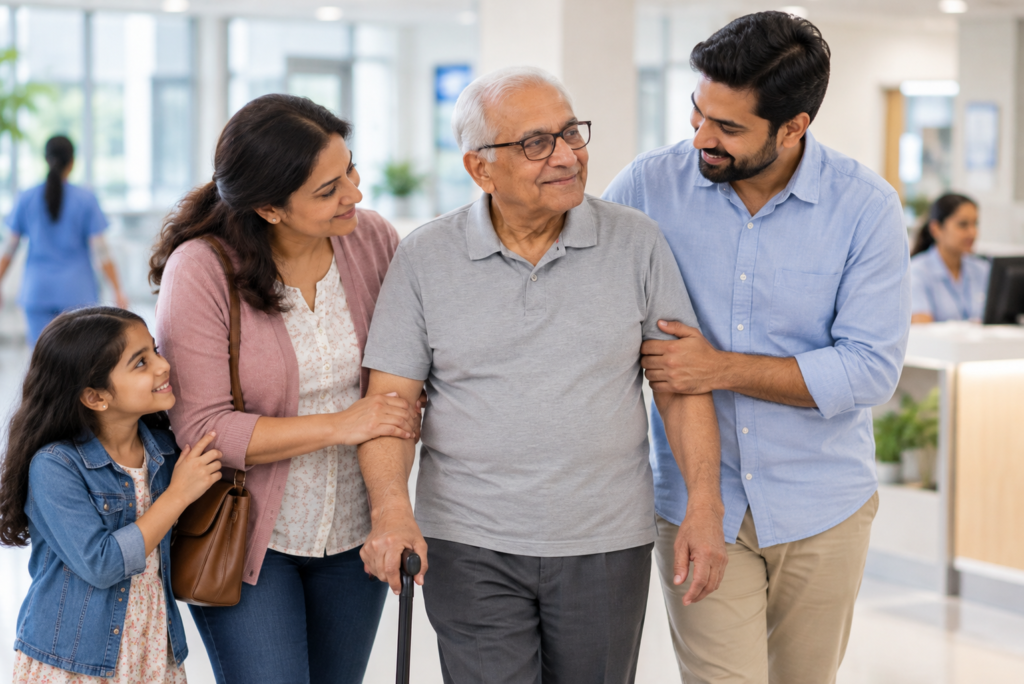
It will be much easier for people to get preventive health care because their families will help them keep all of the records of vaccinations well-organised and assist elderly family members to visit doctors.
In addition, regular visits to doctors may serve as an opportunity to identify unadministered vaccinations and discuss new ones.
People shouldn’t think that vaccinations during childhood will protect them from all diseases.
Why Vaccination Matters for People With Chronic Diseases.
Older people suffer from many health problems at once. For instance, having diabetes causes an elevated probability of infections, and having heart and lungs diseases complicates respiratory illnesses.
Furthermore, severe infections prevent people from further treatment.
However, vaccination can be helpful to avoid some problems; nevertheless, it should be applied along with proper drugs and regular visits to doctors.
Are Vaccines Safe for Older Adults?
Safety is one of the features that are very well known about most vaccines. Such vaccines might cause some side effects including pain, tiredness, and fever. However, these side effects normally go away on their own.
However, individuals who are severely allergic to vaccines or have suffered an allergic reaction to vaccines in the past or other immunological disorders must consult their physician regarding these issues.
How Families Can Support Elderly Vaccination.
It will be much easier for people to get preventive health care because their families will help them keep all of the records of vaccinations well-organised and assist elderly family members to visit doctors.
In addition, regular visits to doctors may serve as an opportunity to identify unadministered vaccinations and discuss new ones.
People shouldn’t think that vaccinations during childhood will protect them from all diseases.
Read More:- International Yoga Day 2026: Using Yoga to Promote Wellbeing
